Understanding Treehouses: The Basics
Treehouses have captured the imagination of children and adults alike for centuries. These elevated structures not only evoke a sense of nostalgia but also provide unique spaces that blend adventure with nature. As modern design trends have evolved, treehouses have transformed from simple wooden platforms to luxurious retreats that offer comfort and style in the treetops. When exploring options, treehouses can be an exceptional addition to any property, offering both aesthetic and functional benefits.
What Are Treehouses?
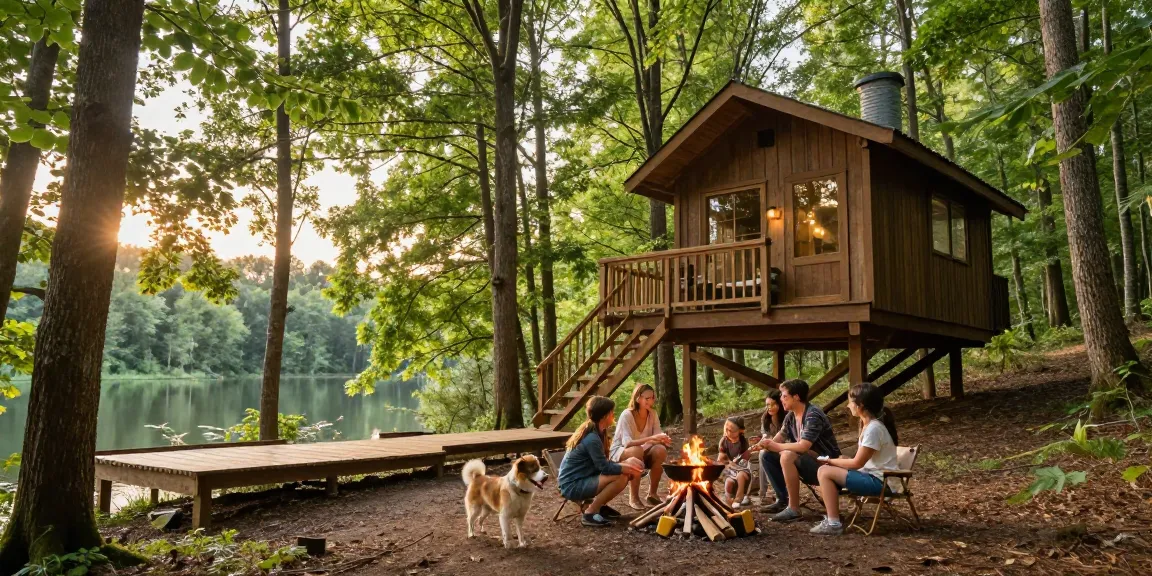
Treehouses are structures built in trees or supported by trees, designed primarily as play areas for children but increasingly for adult relaxation or as unique accommodations. These buildings can vary greatly in size, shape, and purpose, ranging from basic designs with minimal facilities to elaborate constructions equipped with plumbing, electricity, and stunning views. The versatility of treehouses allows for a multitude of uses, including recreational spaces, guest accommodations, or even offices.
Historical Context of Treehouses
The concept of treehouses dates back to ancient times, with evidence of similar structures found in various cultures worldwide. In many indigenous societies, elevated platforms served practical purposes, such as keeping inhabitants safe from predators or flooding. Over time, the treehouse evolved, especially in the 20th century when they became synonymous with childhood adventures. Today, treehouses are celebrated not just for their utility but also for their design as eco-friendly retreats that reconnect individuals with nature.
Types of Treehouses: From Simple to Luxury
- Traditional Treehouses: Basic structures often constructed with wooden planks and a simple ladder, designed for children's play.
- Luxury Treehouses: High-end designs featuring amenities such as air conditioning, king-size beds, and gourmet kitchens, often sought for vacation rentals.
- Eco-Friendly Treehouses: Built with sustainable materials and designed to blend seamlessly into the environment, appealing to environmentally conscious individuals.
- Artistic Treehouses: Unique architectural designs that serve as visual art and creative spaces, attracting artists and designers.
Benefits of Having a Treehouse
There are numerous advantages to having a treehouse, whether for personal use or as an investment property. Not only do these structures promote creativity and relaxation, but they also enhance the overall appeal of your property.
Promoting Family Bonding
Treehouses serve as an excellent venue for families to gather and enjoy quality time together. They provide a space away from the hustle and bustle of daily life, encouraging families to engage in outdoor activities and create lasting memories. Whether it's a simple picnic or an overnight camping experience, treehouses foster connections among family members.
Encouraging Outdoor Play and Exploration
In a digital age dominated by screens, treehouses provide a refreshing alternative, encouraging children and adults to embrace outdoor play. The thrill of climbing, exploring, and playing in a treehouse fosters physical activity and creativity. It helps children develop confidence and a sense of adventure as they create their own worlds among the trees.
Enhancing Your Property's Value
Well-built treehouses can significantly increase the value of a property. They are often seen as unique selling points that attract potential buyers or renters, particularly those looking for vacation homes or family retreats. A beautiful treehouse can become a highlight of the property, offering a unique feature that stands out in the market.
Design Considerations for Treehouses
Constructing a treehouse involves careful consideration of various factors that can affect its design, safety, and longevity.
Choosing the Right Location
The location of your treehouse is crucial. Look for a sturdy, healthy tree with strong branches, ideally positioned to provide ideal views while ensuring safety from natural elements. Consider the sun's path and the wind direction to maximize the comfort of the treehouse throughout the seasons.
Materials and Sustainability
Using high-quality, sustainable materials is essential for the longevity of your treehouse. Opt for treated wood that can withstand the elements, and consider incorporating eco-friendly materials like recycled or reclaimed wood. Sustainability should also extend to the design, ensuring minimal disruption to the natural habitat of the trees and surrounding wildlife.
Safety Features and Regulations
Before building a treehouse, it's vital to familiarize yourself with local building regulations and safety codes. Implementing safety features such as guardrails, non-slip flooring, and secure ladder access can prevent accidents. Always ensure that your treehouse can withstand harsh weather conditions, reinforcing critical structural points as needed.
Building Your Dream Treehouse
Constructing a treehouse can be a rewarding project, whether you choose to hire professionals or take the DIY route. Here’s how to approach your treehouse project effectively.
Planning and Designing Your Treehouse Project
Start by sketching your vision for the treehouse. Consider the height, size, and amenities you want to include. Gather inspiration from existing treehouses, either online or in person, to refine your design. Draft a clear plan that encompasses all necessary materials, timelines, and potential obstacles.
Step-by-Step Construction Guide
- Prepare the Site: Clear the area around the tree for easy access.
- Build the Platform: Construct a sturdy platform that is secure and level.
- Frame the Walls: Design the walls based on your desired layout.
- Add the Roof: Ensure proper insulation and drainage in the roofing design.
- Install Windows and Doors: Choose materials that fit your design aesthetic and maintain safety.
- Finish Interior and Exterior: Add the finishing touches, such as paint, furniture, and safety features.
Hiring Professional Help vs. DIY
While DIY projects can be fulfilling, hiring professionals might be more suitable for complex designs or if you're uncertain about building techniques. Professionals can ensure structural integrity and adherence to safety regulations. However, engaging in a DIY approach allows for personal customization and can be a fantastic bonding experience for families.
Future Trends in Treehouse Living
As we move toward 2026 and beyond, the concept of treehouses is set to evolve further. Designers and builders are continually finding innovative ways to enhance these structures.
Innovative Designs and Technologies
The integration of smart home technology into treehouses is on the rise, allowing for conveniences such as remote lighting, climate control, and security systems. Additionally, modular designs that allow for expansion or reconfiguration are becoming more popular, enabling homeowners to adapt their spaces over time.
The Rise of Eco-Friendly Treehouses
With growing environmental awareness, eco-friendly treehouses are likely to lead the charge in treehouse design. Future designs will focus on minimal environmental impact, utilising solar energy, and promoting biodiversity in their construction.
Trends for 2026 and Beyond
Expect to see more treehouses designed as multi-functional spaces, catering to various needs from home offices to wellness retreats. The trend towards outdoor living will continue to inspire designs that blur the boundaries between indoor comforts and the natural environment.
What Future Treehouse Enthusiasts Should Know?
For those looking to build or invest in treehouses in the future, understanding market trends and sustainable building practices will be essential. Emphasizing eco-friendly materials and innovative technology will not only enhance the enjoyment of these unique structures but also contribute to a healthier planet.