Understanding LVP Flooring: What Is It?
Definition and Composition of LVP Flooring
Luxury Vinyl Plank (LVP) flooring is a modern and versatile flooring solution designed to replicate the appearance of natural woods and stones while providing exceptional durability and affordability. This advanced flooring system is composed of multiple layers: a protective top layer that guards against scratches and stains, a design layer that showcases high-definition images of wood or stone, and a core layer made from PVC (polyvinyl chloride) which offers stability and comfort underfoot. This multi-layer construction is what makes LVP a popular choice among homeowners seeking quality and style together.
Benefits of Choosing LVP Flooring
Choosing lvp flooring comes with a plethora of benefits:
- Durability: LVP is designed to withstand heavy foot traffic, making it ideal for both residential and commercial applications. Its water-resistant properties make it suitable for kitchens, bathrooms, and basements.
- Ease of Maintenance: Unlike natural wood or stone flooring, LVP requires minimal maintenance. Regular sweeping and occasional mopping with a gentle cleaner keep it looking new.
- Cost-Effective: Often more affordable than natural materials, LVP provides a high-end look without breaking the bank, making it a smart investment.
- Comfort: The softer surface of LVP is comfortable underfoot and offers a certain level of insulation, making spaces feel warmer.
- Design Versatility: Available in a wide variety of colors, styles, and textures, LVP can easily complement any decor style.
Common Myths About LVP Flooring
Despite its growing popularity, several myths surround LVP flooring:
- Myth 1: LVP is not as durable as hardwood. Truth: LVP can often outperform hardwood in terms of scratch and water resistance.
- Myth 2: It looks cheap. Truth: High-quality LVP can closely mimic the appearance of natural wood or stone, often at a fraction of the cost.
- Myth 3: LVP is overly slippery. Truth: Most LVP products come with textured surfaces that enhance grip.
- Myth 4: It emits harmful chemicals. Truth: Many manufacturers adhere to strict regulations to ensure that LVP is safe for indoor use.
- Myth 5: Installing LVP is complicated. Truth: With the right tools and instructions, many homeowners can achieve a professional-looking installation.
Choosing the Right LVP Flooring for Your Home
Different Styles and Designs of LVP Flooring
LVP flooring is available in various styles and designs, ensuring that there is an option for every taste and interior design theme:
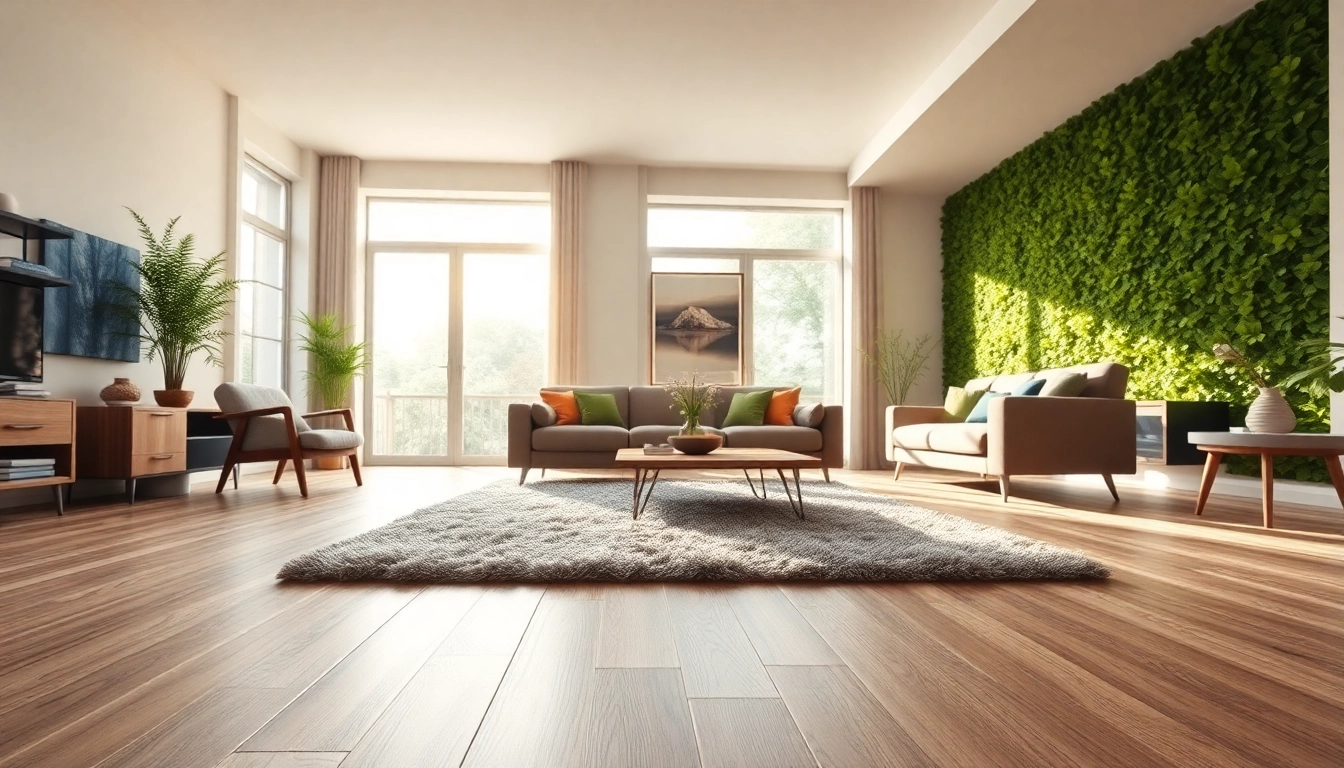
- Wood-Look Planks: These replicate the visual aesthetics of natural hardwood perfectly and are available in numerous finishes from rustic to modern.
- Stone-Look Tiles: Designed to mimic the appearance of stone tiles, these options add elegance and feel luxurious underfoot.
- Patterned Variants: Offering creative designs and patterns can help to personalize spaces, ranging from geometric shapes to floral patterns.
How to Select the Best LVP Flooring Color
The color of your LVP flooring can dramatically influence the ambiance of a room. Here are some tips on how to select the best color:
- Consider Room Size: Lighter colors can make a space feel larger and more open, while darker tones add warmth.
- Match Existing Decor: Choose a color that complements your existing furniture and walls to create a cohesive look.
- Think About Lighting: Natural and artificial lighting can affect how colors appear. It’s crucial to test samples in the actual room’s lighting before making a decision.
Considerations for Different Rooms
When selecting LVP flooring, the specific needs of each room should be considered:
- Kitchen: Choose waterproof or water-resistant options with slip-resistant surfaces.
- Living Room: High-quality, attractive designs can provide a welcoming atmosphere.
- Bathroom: Select styles that offer excellent moisture resistance to prevent warping.
- Bedroom: Consider softer, warmer tones that help create a relaxing environment.
Installation Process of LVP Flooring
DIY vs. Professional Installation
When considering installation, you have two primary options: DIY or professional installation. Each choice has advantages:
- DIY Installation: Cost-effective, allows for personal customization, and can be accomplished with basic tools and careful planning. However, it requires time and effort.
- Professional Installation: Guaranteed quality, faster completion, and often a guarantee on workmanship. It might be more expensive, but it ensures a flawless finish.
Essential Tools Needed for Installing LVP Flooring
Whether you choose to install LVP flooring yourself or hire a professional, knowing what tools are necessary is essential. Common tools include:
- Circular saw or utility knife for cutting planks
- Measuring tape for accurate dimensions
- Flooring spacers to maintain expansion gaps
- Rubber mallet for securing planks without causing damage
- Soft cloth and adhesive for click-lock installations
Step-by-Step Guide to Installing LVP Flooring
Here’s a simplified step-by-step guide to help you through a typical LVP flooring installation:
- Prepare the site by removing existing flooring and cleaning the subfloor thoroughly.
- Acclimate the LVP to the room temperature for at least 48 hours.
- Map out the planks before installation to plan patterns and minimize waste.
- Start from one corner and install the first row, using spacers to maintain gaps against walls.
- Secure each plank by clicking or gluing it into place per manufacturer instructions.
- Continue the process row by row, ensuring tight seams and consistent patterns.
- Install transitions and trim once all planks are in place.
Caring for and Maintaining Your LVP Flooring
Routine Cleaning Tips for LVP Flooring
Maintaining your LVP flooring is straightforward. Here are some routine cleaning tips:
- Daily Care: Sweep or vacuum regularly to remove dirt and debris.
- Weekly Cleaning: Mop with a damp cloth and a gentle cleaner specifically designed for LVP.
- Preventive Measures: Place doormats at entrances and use furniture pads under heavy items to avoid scratches.
How to Address Common Issues with LVP Flooring
Although LVP is durable, common issues may arise:
- Squeaking: This can sometimes occur if the planks are not properly secured. Check for tight seams and use floor adhesives as necessary.
- Scratches: Minor scratches can be repaired using specialized LVP scratch repair kits.
- Water Damage: If water seeps through, it's crucial to dry it immediately to avoid damage.
Long-Term Maintenance Strategies
For long-lasting LVP flooring, consider these long-term maintenance strategies:
- Regularly check for loose planks or moisture beneath the flooring.
- Reapply protective coatings as suggested by the manufacturer, especially in high-traffic or moisture-prone areas.
- Schedule professional cleaning or inspection periodically to maintain the aesthetics and integrity of the flooring.
Innovative Trends and Future of LVP Flooring
Eco-Friendly Options in LVP Flooring
As sustainability becomes a key concern, many manufacturers are now producing eco-friendly LVP flooring options. These may include:
- Products made from recycled materials
- No or low-VOC (volatile organic compounds) emissions
- Materials sourced sustainably and designed for a longer lifespan
Smart Home Integration with LVP Flooring
With the rise in smart technologies, integrating LVP flooring into smart home systems is becoming increasingly popular. Features may include:
- Smart sensors that detect moisture or temperature changes that can signal a need for maintenance.
- Heated flooring options that can be adjusted via smart home systems for comfort.
The Future of Design Trends with LVP Flooring
Design trends in LVP flooring are ever-evolving, focusing on innovation and personalization:
- Brighter colors and bold patterns are gaining popularity, offering more unique aesthetics.
- Textures that mimic natural materials more closely are being developed, raising quality standards.
- Flexible designs that allow for customization in thickness and flexibility cater to individual needs.
Frequently Asked Questions
What is the lifespan of LVP flooring?
LVP flooring typically has a lifespan of 10 to 20 years, depending on quality and maintenance.
Can LVP flooring be installed over existing flooring?
Yes, LVP can often be installed over existing floors as long as the surface is flat and dry.
Is LVP flooring safe for pets?
Yes, LVP flooring is pet-friendly and resistant to scratches and stains, making it an excellent choice for pet owners.
How do I repair a damage LVP plank?
Minor damages can often be repaired with a specialized repair kit, or by replacing the damaged plank.
Is LVP flooring suitable for basements?
Yes, LVP is moisture-resistant and a suitable choice for basement installations when properly sealed.