Understanding Custom Steel Fabrication
In today’s industrial landscape, custom steel fabrication has become an essential service, allowing businesses across various sectors to tailor projects to their specific needs. By transforming raw steel into precise components or structures, businesses can achieve optimal performance, safety, and aesthetic appeal. This article delves deep into the intricacies of custom steel fabrication, exploring its definition, design significance, materials involved, popular techniques, industry applications, challenges faced, and future trends transforming the sector.
What Is Custom Steel Fabrication?
Custom steel fabrication refers to the process of constructing steel structures or components tailored to meet specific specifications and requirements. Unlike mass-produced steel items, custom fabrication offers the flexibility to design, create, and form steel products that align with the unique needs of projects. This process encompasses various stages, including design, cutting, welding, machining, and assembly, all aimed at producing high-quality, durable steel products customized for various applications.
The customization aspect is crucial, as it allows businesses to address specific functionality, dimensional, and aesthetic requirements. Whether it’s a unique architectural design, specific load-bearing capabilities, or tailored dimensions for machinery components, custom steel fabrication plays a significant role in various industries, including construction, automotive, and aerospace.
The Importance of Design in Steel Fabrication
The design phase in custom steel fabrication is paramount, as it lays the foundation for all subsequent processes. Engineers and designers must collaborate to create detailed blueprints that not only match project specifications but also optimize materials and manufacturing techniques. This stage involves several considerations, including:
- Load Requirements: Understanding the weight and stress the fabricated piece will endure informs material selection and design.
- Aesthetic Factors: Custom designs often involve unique shapes and finishes, necessitating careful consideration to meet specific visual standards.
- Cost-Effectiveness: Efficient designs can help minimize material waste and reduce overall fabrication costs.
As technology advances, software programs such as CAD (Computer-Aided Design) play a vital role in facilitating accurate, flexible, and efficient design processes. These tools allow designers to visualize projects in 3D, assess structural integrity, and iterate design modifications before fabrication begins.
Key Materials Used in Custom Steel Fabrication
Custom steel fabrication predominantly employs various types of steel, each offering unique properties suited to specific applications. Understanding the characteristics and advantages of these materials is essential for selecting the right type for projects. Commonly used materials include:
- Mild Steel: Known for its ductility and weldability, mild steel is the most commonly used material in fabrication, ideal for general construction and manufacturing applications.
- Stainless Steel: Resistant to corrosion and staining, stainless steel is widely used in environments where sanitation and durability are critical, such as in the food and pharmaceutical industries.
- High-Strength Low-Alloy Steel: This material combines steel with small amounts of alloying elements, improving strength and toughness, making it suitable for specialized applications in the construction and automotive industries.
- Tool Steel: Known for its excellent hardness and ability to withstand high temperatures, tool steel is predominantly used in the manufacturing of tools and dies.
Each of these materials has specific advantages and disadvantages, which must be carefully weighed during the design phase to ensure optimal project outcomes.
Popular Techniques in Custom Steel Fabrication
Custom steel fabrication utilizes various techniques, each designed to achieve specific fabrication goals. Understanding these techniques enhances the ability to select the best methods for any given project.
Welding Methods: MIG, TIG, and Stick
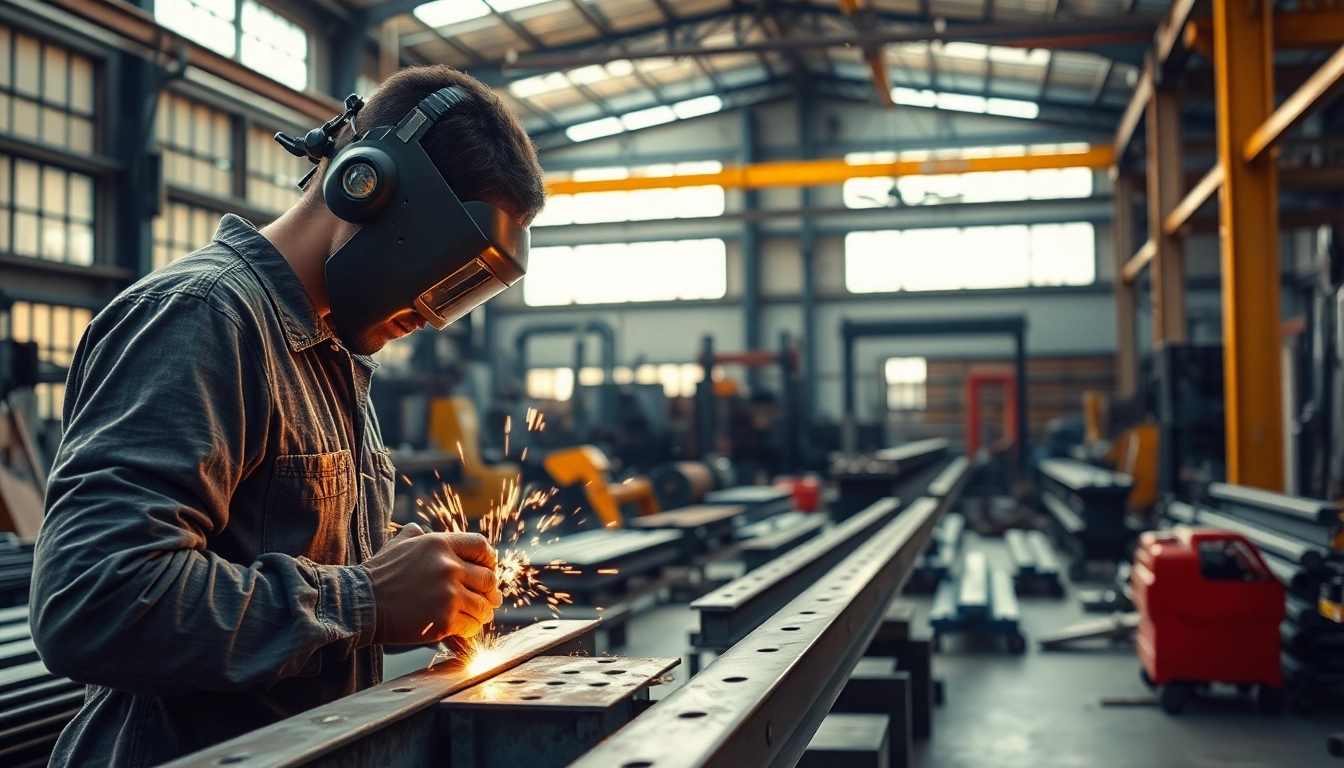
Welding is integral to steel fabrication, used to join steel components together. The choice of welding method can significantly impact the strength and quality of the finished product. The most common methods include:
- MIG Welding (Metal Inert Gas): This process uses a continuous feed of a wire electrode that melts to create the weld. MIG is favored for its simplicity, speed, and adaptability, making it ideal for thin materials and complex shapes.
- TIG Welding (Tungsten Inert Gas): TIG uses a non-consumable tungsten electrode to produce a high-quality weld, typically preferred for thin materials and when aesthetics are a concern. It allows for greater precision and control but requires a higher skill level.
- Stick Welding (Shielded Metal Arc Welding): This traditional method uses coated electrodes that produce a protective gas shield. It’s versatile and suitable for outdoor use, making it ideal for construction sites.
Each welding method has its unique applications, and the choice often depends on factors like material thickness, position, and desired strength of the weld.
Cutting Techniques: Laser vs. Waterjet
Accurate cutting of steel is crucial in fabricating components. Two of the most advanced cutting techniques used today are laser cutting and waterjet cutting:
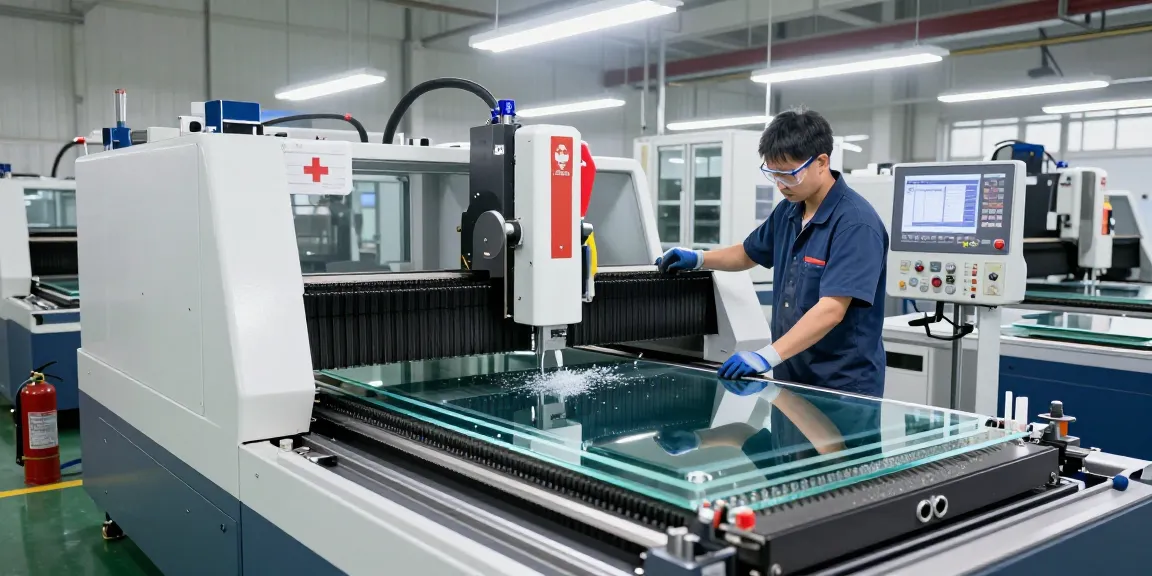
- Laser Cutting: Highly precise, laser cutting employs focused beams of light to cut through metal with remarkable accuracy. This method allows for intricate designs and edges that require minimal finishing work.
- Waterjet Cutting: This technique uses high-pressure water mixed with an abrasive substance to cut through steel. It is particularly advantageous for thick materials and materials that may be affected by heat. Waterjet cutting is also known for producing smooth edges without the thermal distortion associated with laser cutting.
The selection between laser and waterjet cutting often depends on material thickness, complexity of the design, and the required finish. Both methods represent cutting-edge technology in steel fabrication, optimizing precision and reducing waste.
Machining Processes in Steel Fabrication
Machining is a critical stage in custom steel fabrication, often used to create precise dimensions and surfaces on fabricated parts. These processes can include drilling, milling, and turning:
- Drilling: Used to create holes in steel components, drilling can be performed with various types of drills, including twist drills and reamers for precision.
- Milling: Involves removing material from a workpiece using rotating multi-point cutting tools, allowing for the fabrication of complex shapes.
- Turning: Primarily used for cylindrical parts, turning utilizes a lathe to rotate the material against a cutting tool, achieving smooth and precise finishes.
Machining operations are often complemented by advanced technologies, such as CNC (Computer Numerical Control), which enhances the accuracy and efficiency of these processes.
Industry Applications of Custom Steel Fabrication
Custom steel fabrication serves a broad range of industries, each leveraging bespoke steel solutions to meet specific demands. Here are some prevalent applications:
Construction Projects and Structural Steel
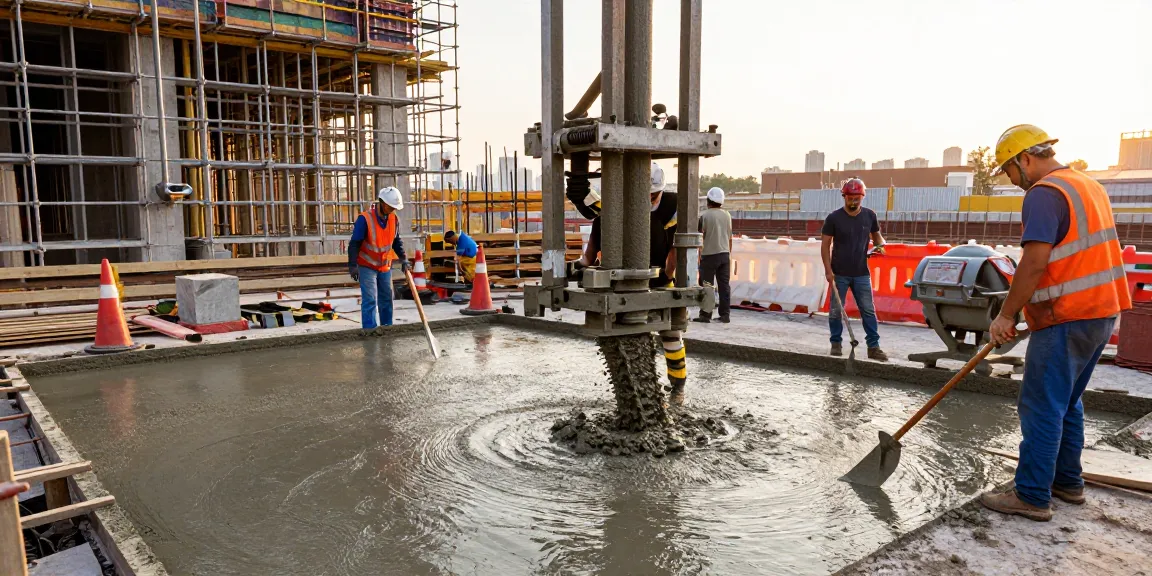
In the construction industry, custom steel fabrication is critical in creating strong, durable structures. From beams and columns to intricate architectural elements, fabricated steel helps in meeting stringent engineering and design standards. Structural steel ensures safety and longevity while enabling modern architects and engineers to explore innovative designs.
Moreover, prefabricated steel components can significantly reduce construction time, allowing for faster project completion without sacrificing quality. This is particularly beneficial in large projects, where timelines are tight but structural integrity must remain uncompromised.
Automotive and Aerospace Industries
Custom steel fabrication plays a vital role within the automotive and aerospace sectors, where precision and safety are paramount. In automotive manufacturing, specialized steel components like frames, chassis, and various assemblies are fabricated to withstand high stress while ensuring vehicle performance.
In the aerospace industry, custom fabricated parts must meet exacting standards for weight, strength, and material properties. Components such as landing gear or airframe structures often undergo rigorous testing to ensure they align with regulatory requirements and safety protocols.
Custom Steel Fabrication in Manufacturing
Manufacturing industries utilize custom steel fabrication for producing machined parts, tooling, and fixtures. From equipment frames to specialized tools, custom steel solutions enhance operational efficiency and productivity. Using fabricated components can streamline manufacturing processes, reduce downtime, and ensure precise product quality.
Furthermore, fabrication services can be tailored to accommodate the unique requirements of various manufacturing setups, supporting the evolution of lean manufacturing principles.
Challenges in Custom Steel Fabrication
Despite the advancements in technology and techniques, the realm of custom steel fabrication is not without challenges. Identifying and addressing these hurdles is essential for ensuring successful outcomes:
Dealing with Material Limitations
Fabricators often face constraints related to material availability, cost fluctuations, and variations in quality. Depending on the type of project, selecting the appropriate steel grade while remaining within budgetary limitations can be challenging. Manufacturers must maintain strong relationships with suppliers to ensure they have access to the right materials at competitive prices, ensuring timely project delivery.
Quality Control Measures in Fabrication
Ensuring the highest quality standards in fabrication necessitates rigorous quality control measures throughout the process. This can involve inspections at various fabrication stages, including material verification, dimensional checks, and weld integrity assessments. Implementing industry-standard quality assurance protocols, such as ISO certifications, can be advantageous in establishing credibility and maintaining customer satisfaction.
Overcoming Production Delays
Production delays can significantly impact project timelines, leading to increased costs and frustrated stakeholders. Factors contributing to these delays can include equipment malfunctions, labor shortages, and supply chain disruptions. Effective project management, proactive communication, and contingency planning are vital for mitigating these risks and ensuring timely project completion.
Future Trends in Custom Steel Fabrication
The landscape of custom steel fabrication continues to evolve, driven by technological advancements and changing market demands. Here are some critical trends shaping the future of the industry:
Automation and Robotics in Fabrication
Automation and robotics have emerged as game-changers in custom steel fabrication, offering improved efficiency, precision, and safety. Automated machinery can handle repetitive tasks, reducing labor costs and minimizing human errors. Robotics enhance capabilities in welding, cutting, and assembly, ensuring faster production cycles while maintaining high-quality outcomes.
As technology continues to advance, adopting automated solutions will likely become more prevalent, promoting the growth of smart manufacturing practices within the sector.
Sustainability Practices in Steel Fabrication
With growing awareness of environmental impacts, sustainability has become a focal point for industries, including custom steel fabrication. Manufacturers are increasingly adopting eco-friendly practices, such as utilizing recycled steel, reducing waste, and implementing energy-efficient processes. By prioritizing sustainability, fabrication businesses can reduce their carbon footprint while appealing to environmentally-conscious clients.
Emerging Technologies and Innovations
Innovations in materials science, such as advanced alloys and composite materials, are paving the way for robust and lightweight steel solutions. Additionally, the adoption of additive manufacturing (3D printing) in conjunction with traditional fabrication techniques presents unique opportunities for creating complex geometries that were previously unattainable.
Furthermore, advancements in software and simulation tools empower designers and engineers to create better-performing products with improved efficiencies. By continuously exploring new technologies, the industry can stay competitive and responsive to customer needs.
Conclusion
Custom steel fabrication plays an invaluable role in various industries, enabling businesses to realize their unique visions through tailored designs and precise engineering. As we’ve explored throughout this article, a deep understanding of the process—from material selection and welding techniques to the challenges faced and emerging trends—will empower key stakeholders to make informed choices that drive success while maintaining the highest quality standards.
Looking ahead, the integration of automation, sustainability, and innovative technologies will continue to redefine the capabilities of custom steel fabrication, promising a future filled with possibilities for businesses willing to embrace these advancements.