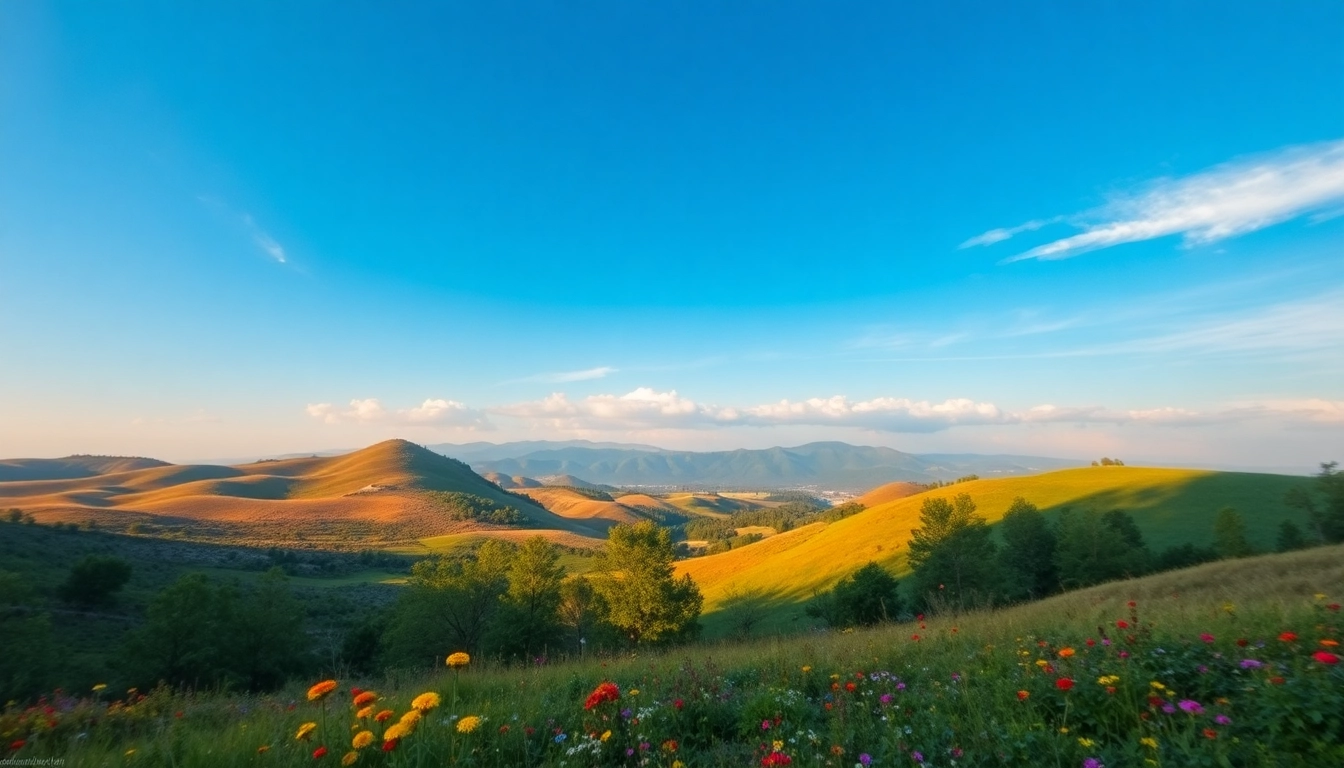
Understanding Landscapes: Definition and Importance
What Are Landscapes?
Landscapes encompass the visible features of an area of land, including its physical elements such as mountains, rivers, and flora, as well as human influence through cities and agriculture. They are dynamic and cultural expressions of our environment, shaped by both natural processes and human activity. To truly appreciate landscapes, one must consider how they influence our perception of nature and culture. Acknowledging the varying types of landscapes enriches our interaction with the world around us.
The Role of Landscapes in Culture
Landscapes have long been a source of inspiration across art, literature, and folklore. They serve as backdrops for storytelling, reflecting the identity and history of cultures. Different regions have forged unique connections with their landscapes, often personifying natural elements in myths. These cultural narratives not only preserve local customs but also convey space’s broader significance, influencing generations about the importance of conservation and appreciation of the Earth’s beauty.
Ecological Significance of Landscapes
Beyond aesthetic appeal, landscapes play a pivotal role in ecological balance. They provide habitats for countless species, contributing to biodiversity and ecosystem health. The structure of landscapes can affect climate, water resources, and soil quality, making them vital to sustainability practices. Understanding the ecological underpinnings of landscapes is essential for effective environmental conservation, guiding strategies that protect and rejuvenate these natural resources.
Key Elements of Landscapes
Natural Features: Mountains, Water, and Vegetation
Natural landscapes are defined by their geographical features, primarily mountains, rivers, and vegetation. Mountains dictate climate patterns, influencing flora and fauna distribution, while rivers are crucial for water supply and irrigation. Vegetation not only provides habitat but also plays a significant role in carbon sequestration. Notable landscapes, like the Swiss Alps and the Amazon rainforest, demonstrate how these elements coalesce to form intricate ecosystems, each dependent on one another to thrive.
Human Influence: Urban Landscapes
As populations grow, the transformation of landscapes continues through urban development. Urban landscapes are characterized by buildings, roads, and other infrastructures that, while showcasing human ingenuity, contribute to challenges such as habitat loss and pollution. However, cities can adopt green architecture and sustainable practices to mitigate these impacts, blending nature with urbanization. Initiatives like urban gardens and parks reclaim spaces within cities, promoting biodiversity and enhancing residents' quality of life.
Techniques for Capturing Landscapes
For artists and photographers, knowing how to capture landscapes requires mastery of different techniques. In photography, understanding composition, lighting, and timing is critical. Techniques like the rule of thirds, golden hour shooting, and long exposures can yield stunning landscape shots. In painting, capturing nuances of light and color, along with an acute awareness of perspective and depth, can translate the beauty of a landscape onto canvas, creating compelling visual narratives.
Types of Landscapes: A Closer Look
Rural Landscapes: Farms and Fields
Rural landscapes are dominated by agricultural practices and natural elements, often representing the traditional lifestyle intertwined with nature. Fields of crops illustrate humanity's efforts to cultivate the land while utilizing its resources sustainably. The aesthetic of rural regions, from rolling farmland to small villages, preserves cultural heritage and fosters connections among communities, offering a glimpse into the symbiotic relationship between humans and nature.
Urban Landscapes: Cityscapes and Architecture
Urban landscapes showcase the pinnacle of human achievement, from modern skyscrapers to historic architecture. These landscapes continually evolve, reflecting economic and social shifts. The metropolitan environment fosters diversity, innovation, and creativity but also faces issues such as congestion and pollution. Urban landscapes provide insightful examples of how design can transform living spaces, encouraging public engagement through plazas, parks, and pedestrian pathways.
Coastal and Marine Landscapes
Coastal landscapes embody the interface between land and sea, rich with unique biodiversity such as coral reefs, estuaries, and coastal wetlands. They offer recreational opportunities while acting as critical buffers against erosion and providing vital ecosystems. Coastal areas face challenges like rising sea levels and overfishing, necessitating sustainable practices to protect these environments. By balancing tourism and conservation, we can ensure the longevity of coastal natural resources.
Creating Stunning Landscapes in Art and Photography
Techniques for Painting Landscapes
Creating landscapes in painting involves not just talent but also technique. Artists often begin with sketching to establish composition, followed by layering colors to build depth and dimension. Techniques such as glazing and impasto can embellish paintings, showcasing the interplay of light and texture. Studying nature firsthand helps artists understand colors and patterns, while experimenting with brushstrokes can create unique interpretations of various landscapes.
Photography Tips for Landscape Shots
To enhance landscape photography, several strategies can be employed. Utilizing a tripod ensures stability, while selecting appropriate focal lengths can highlight vast landscapes or intricate details. The golden hour, shortly after dawn or before dusk, provides soft natural lighting perfect for capturing ethereal scenes. Furthermore, incorporating leading lines or foreground elements can draw viewers into the scene, creating a more engaging photograph.
Editing Landscapes for Maximum Impact
Post-processing can be a powerful tool in enhancing landscape photography. Software like Lightroom or Photoshop allows photographers to adjust exposure, contrast, and colors, bringing out the vibrancy of nature. Techniques like HDR (High Dynamic Range) blending can help balance light in scenes with extremes of brightness, ensuring even the darkest shadows and brightest highlights are represented accurately. The goal is to maintain natural aesthetics while elevating the image’s emotional impact.
FAQs about Landscapes
What defines a natural landscape?
A natural landscape is an area formed by the natural processes of the Earth, showcasing elements like mountains, rivers, and forests.
How do urban landscapes differ from rural ones?
Urban landscapes are characterized by buildings and infrastructure, while rural landscapes feature open spaces, farms, and natural elements.
What techniques can enhance landscape photography?
Using the right lighting, framing, and depth of field can dramatically enhance the quality of landscape photography.
What elements are crucial in landscape painting?
Perspective, color harmony, and texture are essential components to create a compelling landscape painting.
How do landscapes influence mental well-being?
Exposure to natural landscapes can reduce stress, improve mood, and enhance overall mental well-being through relaxation and inspiration.