
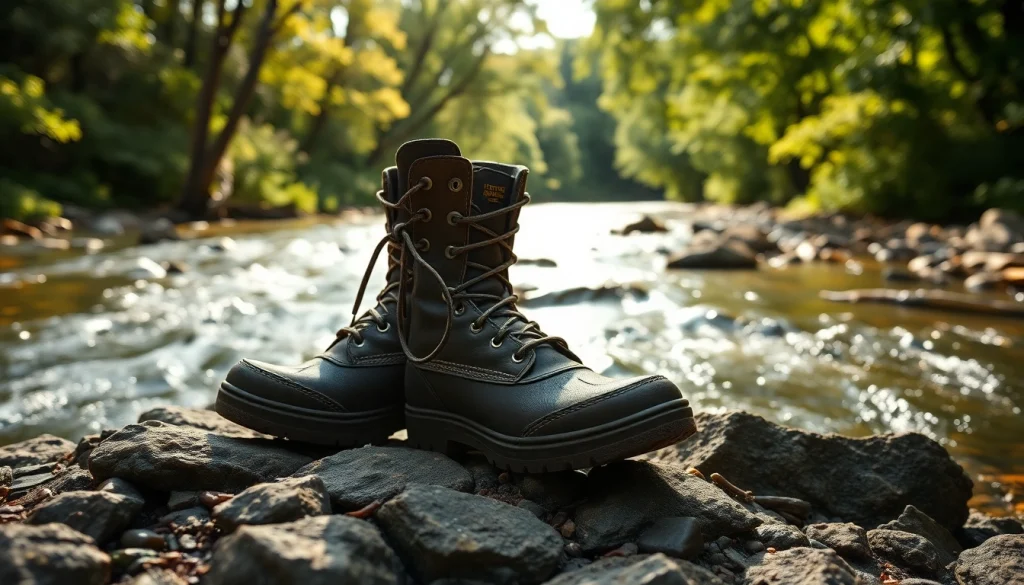
Understanding Fly Fishing Boots
When it comes to fly fishing, having the right equipment can make all the difference. Among the essential gear, fly fishing boots serve a critical purpose. Not only do they protect your feet, but they also enhance your stability and safety while navigating slippery riverbeds or rocky shorelines. Investing in Fly fishing boots that suit your specific needs can be a game-changer in your fishing experience.
Types of Fly Fishing Boots
Fly fishing boots come in various styles, each crafted to address specific environmental needs and preferences. The two primary types include:
- Wading Boots: These are designed primarily for wet environments. Constructed with durable materials, they often have reinforced soles for extra protection against sharp rocks and hidden hazards. They feature additional features such as drainage holes to prevent water accumulation.
- Sneaker-Style Boots: A relatively newer iteration in the market, these combine the comfort of sneakers with the necessary safety features required for fishing. They’re generally lighter and provide greater breathability but may lack the robust protection of traditional wading boots.
Features to Look For in Fly Fishing Boots
When selecting the perfect pair, consider features like traction, support, and overall comfort:
- Traction: Look for boots with rubber or felt soles. Each serves a particular purpose—rubber soles tend to grip well on smooth, rocky surfaces, while felt soles offer excellent traction on slippery or muddy terrain.
- Support: Ankle support is crucial, especially when wading rivers. High-cut boots provide superior ankle stability, mitigating the risk of injuries.
- Comfort: Prolonged fishing sessions require comfortable footwear. Boots with good cushioning and a fit that accommodates thick socks are essential.
Materials Used in Fly Fishing Boots
The choice of materials can significantly affect the durability, weight, and overall performance of fly fishing boots:
- Leather: Known for its durability and comfort. However, it can absorb water, making it less ideal for long wading sessions.
- Synthetic Materials: Lightweight and often more waterproof, these materials offer excellent breathability. Many boots utilize durable nylon or polyester blends.
- Rubber: Frequently used in soles for enhanced grip. It’s essential for durable, waterproof performance.
Benefits of Quality Fly Fishing Boots
Quality fly fishing boots offer more than just protection; they provide several functional benefits that can enhance your fishing experience significantly.
Enhancing Safety on Slippery Surfaces
One of the greatest risks while fly fishing is slipping on wet rocks or slick stream beds. Quality boots come with specialized soles designed to grip these surfaces securely. Whether you are navigating a fast-moving river or walking along a rocky shoreline, having dependable traction can prevent accidents and offer peace of mind.
Comfort for Long Fishing Sessions
Long days on the water can take a toll on your feet. Investing in comfortable fly fishing boots ensures that your feet stay supported and cushioned throughout the day, minimizing the risk of blisters and fatigue. Features like padded insoles and sufficient room for movement can make all the difference.
Supporting Ankle Stability in Various Environments
Many fishing environments present uneven terrain, from sliding riverbanks to sharp rocks. Boots designed with ample ankle support protect against sprains and injuries. Opting for high-top styles generally provides better stabilization and support.
Top Features of Fly Fishing Boots
With various options available, knowing which features make fly fishing boots stand out can help you make an informed decision.
Traction: Rubber vs. Felt Soles
Choosing the right sole is essential for ensuring safe and effective wading:
- Rubber Soles: These provide excellent traction on various conditions, including wet rocks and uneven surfaces, making them ideal for mixed environments.
- Felt Soles: Best for slick rock or mud, they are often preferred in chilly freshwater streams and rivers, as they allow you to grip surfaces effortlessly. However, felt can be challenging in the mud and sand.
Breathability and Waterproofing
Choosing boots that balance breathability and waterproofing are crucial. A good waterproof barrier protects your feet from water entry while keeping them dry. Breathable materials allow moisture from sweat to escape, preventing clammy sensations. This dual feature is vital for lengthy fishing trips, keeping your feet comfortable during various conditions.
Custom Fit Options: Size and Adjustability
Everyone’s feet are unique, and a proper fit is non-negotiable. Many brands offer boots that come in various width options and adjustable lacing or strapping systems. Custom fit options not only enhance comfort but also improve safety, allowing you to wear thicker socks if necessary without excessive looseness.
Maintenance Tips for Fly Fishing Boots
With any investment, proper care is crucial to extend the life of your fly fishing boots. Here are some essential maintenance tips:
Cleaning Procedures for Longevity
After every fishing trip, particularly in muddy or sandy conditions, clean your boots. Rinse off any dirt or debris with clean water and use a brush to scrub harder-to-remove spots. Allow them to dry naturally and avoid direct sunlight to prevent material degradation.
Storing Your Boots Properly
When not in use, storing your boots properly is essential. Keep them in a cool, dry place, and avoid placing them in damp areas. Using boot trees can help maintain their shape and prevent folding or creasing.
Repairing Common Damage
Inspect your boots regularly for signs of damage like punctures or loose seams. For small holes, waterproof patches can be effective, while serious damage may require professional repair. Keeping an eye on the soles is also vital to ensure traction doesn’t diminish over time.
Frequently Asked Questions about Fly Fishing Boots
What kind of boots do you wear when fly fishing?
Wearing breathable wading boots with good traction is ideal for fishing in rivers or streams. They ensure safety by griping slick surfaces effectively.
What are the best fly fishing boots?
The best fly fishing boots combine traction, comfort, durability, and waterproofing. Look for boots with soles tailored for the specific environments you’ll be in.
How do I know what size to choose for fly fishing boots?
Refer to size charts and select a size that allows additional room for thick socks while ensuring a secure fit without being too loose.
Can I use regular hiking boots for fly fishing?
While they can work in a pinch, regular hiking boots typically lack the necessary traction and waterproofing for effective and safe wading.
How to improve the lifespan of my fly fishing boots?
To extend their lifespan, clean your boots regularly, store them properly away from direct sunlight, and routinely inspect for wear and tear.