Introduction to Shower Screen Door
In modern bathrooms, aesthetics and functionality go hand in hand, particularly when it comes to choosing the right enclosure for your shower. A shower screen door combines elegance with practicality, offering a solution that enhances both the look and usability of your bathing space. This article explores everything you need to know about shower screen doors—from their basic definition to their myriad benefits, popular designs, installation tips, and maintenance strategies.
What is a Shower Screen Door?
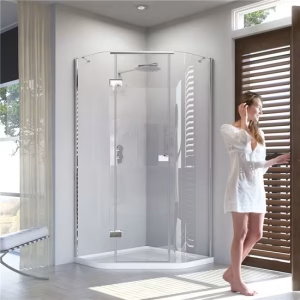
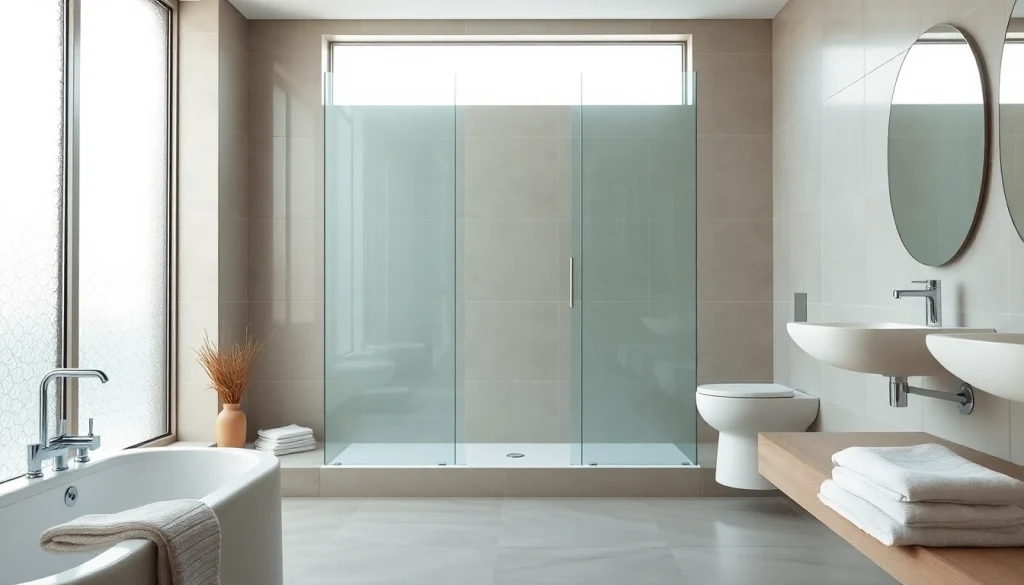
A shower screen door is a transparent barrier typically made of glass that protects your bathroom from water splashes while you enjoy a shower. Unlike traditional shower curtains that can harbor mildew and require frequent washing, shower screen doors offer a more hygienic and visually appealing alternative. These doors are available in various styles, including hinged, sliding, and bi-fold options, catering to different space requirements and personal tastes.
Benefits of Using a Shower Screen Door
Shower screen doors come with numerous advantages that can enhance your bathing experience. Here are some key benefits:
- Aesthetics: Clear glass doors can create an illusion of space, making small bathrooms appear larger and more inviting.
- Hygiene: Glass is easier to clean than fabric, reducing the chances of mold and bacteria growth.
- Durability: Most shower screen doors are made from toughened glass, providing longevity with proper care.
- Customization: Many doors can be custom-fitted to unique bathroom layouts, ensuring a perfect fit.
- Simple Maintenance: A quick wipe-down with a glass cleaner is typically all that’s needed to keep them sparkling clean.
Popular Designs and Styles
Shower screen doors come in a variety of designs to suit different bathroom styles and space constraints:
- Hinged Doors: These doors swing open like a traditional door and are ideal for larger bathrooms.
- Sliding Doors: Perfect for tight spaces, they glide along a track and do not require additional space to open.
- Bi-Fold Doors: These are a space-saving option that folds inwards, making them suitable for smaller enclosures.
- Frameless Designs: For a sleek, modern look, frameless glass doors offer minimal obstruction while maximizing light and visibility.
Choosing the Right Shower Screen Door
There’s no one-size-fits-all when it comes to selecting a shower screen door. Various factors must be considered to ensure that your choice not only fits your bathroom’s design but also meets your functional needs.
Factors to Consider Before Buying
Before purchasing a shower screen door, consider the following:
- Space: Assess the available space in your bathroom to determine which type of door will work best—sliding, hinged, or bi-fold.
- Design Style: Select a design that complements your bathroom’s theme, whether it’s modern, classic, or minimalist.
- Safety Features: Look for tempered or laminated glass for added safety, especially in homes with children.
- Installation Type: Decide whether you want a ready-made or custom shower screen door for the best fit and finish.
Material Options for Shower Screen Doors
The durability and appearance of your shower screen door largely depend on the materials used:
- Glass: Clear or frosted glass options are popular, with treatments available to reduce spotting and staining.
- Framing Materials: Metal frames (aluminium or stainless steel) can enhance durability and aesthetics; however, frameless options are becoming increasingly popular.
- Hardware: Hinges, handles, and tracks should be made from corrosion-resistant materials to withstand moisture and humidity.
Custom vs. Standard Shower Screen Door
When browsing for your shower screen door, you’ll face the decision between a custom or a standard option:
- Standard Doors: These are readily available and often cost-effective; they work well if your bathroom meets common sizes and configurations.
- Custom Doors: If you have unique measurements or a specific design in mind, a custom shower screen door can provide a perfect fit and tailored design but may come at a higher cost.
Installation Guide for Shower Screen Door
Proper installation of your shower screen door is crucial for functionality, appearance, and long-term use. Below is a comprehensive guide to help with installation.
Preparation Steps for Installation
Before you start, gather your tools and materials. You will need:
- Measuring tape
- Level
- Drill and bits
- Silicone caulk
- Screwdriver
Next, measure the space for your shower screen door, ensuring you account for height and width, and check for level to ensure proper installation.
Step-by-Step Installation Process
- Mark the Position: Use a pencil to mark the area where the door will be fitted.
- Install the Hinges or Track: Depending on the type of door, secure the hinges or track using the drill. Ensure everything is level.
- Hang the Door: Carefully lift and attach the door to the hinges or slide it into place on the track.
- Check for Alignment: Open and close the door to check its movement; it should operate smoothly without obstruction.
- Seal Openings: Apply silicone caulk around edges and joints to prevent water leakage.
Allow the caulk to dry according to the manufacturer’s instructions before using the shower.
Common Mistakes to Avoid During Installation
When installing your shower screen door, avoid these common pitfalls:
- Ignoring Measurements: Always double-check measurements to avoid any installation issues.
- Improper Leveling: Ensure the door is level; otherwise, it will not swing or slide correctly.
- Forgetting Sealant: Failing to apply sealant can lead to leaks and water damage over time.
Maintaining Your Shower Screen Door
To keep your shower screen door looking great and functioning effectively, regular maintenance is essential. Here are some tips and strategies.
Essential Cleaning Techniques
Regular cleaning prevents soap scum buildup and water spots:
- Daily Wipe: Use a squeegee after each shower to remove water from the glass.
- Weekly Cleaning: Clean with a mixture of vinegar and water or a gentle glass cleaner. Avoid abrasive cleaners that can scratch the glass.
Preventing Mold and Soap Scum
To minimize mold growth and soap scum accumulation, consider these practices:
- Ventilation: Ensure proper bathroom ventilation to reduce humidity levels that contribute to mold.
- Choice of Products: Utilize soap products that are less likely to leave residue on glass surfaces.
Repair Tips for Common Issues
Despite your best efforts, wear and tear may occur. Here’s how to address common problems:
- Water Leaks: Check the seals and apply silicone as needed to prevent future leaks.
- Squeaky Doors: Lubricate hinges or tracks with a silicone-based lubricant to mitigate squeaks.
FAQs About Shower Screen Doors
What are the advantages of shower screen doors over curtains?
Shower screen doors offer better durability, easier maintenance, and a more modern aesthetic compared to shower curtains, which often retain moisture and require regular washing.
How do I measure for a shower screen door?
Measure the width and height of the opening where the door will be installed. Always measure at several points, as walls may not be perfectly straight.
Can shower screen doors be used in small bathrooms?
Yes, sliding or bi-fold options are particularly suitable for small bathrooms, as they do not require additional space to open.
What types of glass are best for shower screen doors?
Tempered glass is the best option due to its strength and heat resistance. Frosted or patterned glass can provide added privacy as well.
Are shower screen doors easy to clean and maintain?
Yes, they are easy to clean. Regular maintenance involves wiping down after use and cleaning with mild solutions to prevent buildup of soap scum and water spots.